Project landscape

Return to 1616: Dirk Hartog Island Ecological Restoration

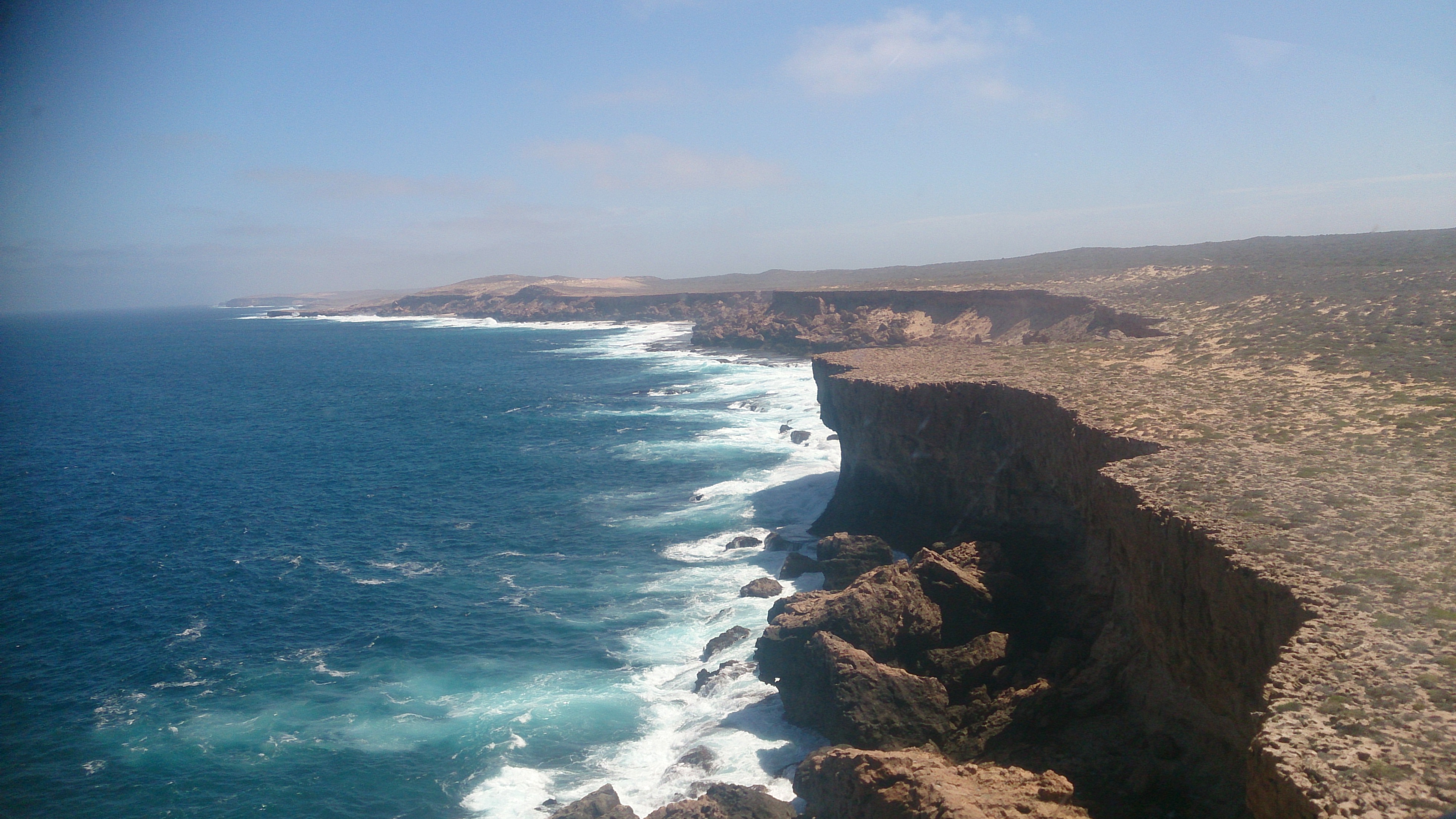
The Return to 1616 project is an ambitious ecological restoration program working to restore Dirk Hartog Island (referred to as Wirruwana by local Malgana People) by removing introduced threats and returning native species that have disappeared from the island. It matters because it provides a rare opportunity to rebuild an island ecosystem at a landscape scale, protect threatened wildlife and demonstrate what long-term conservation can achieve.

Overview

The 'Return to 1616 Ecological Restoration Project' is one of the most ambitious island restoration initiatives in the Southern Hemisphere. The project is working to restore Dirk Hartog Island’s natural ecosystems by removing major threats, rehabilitating habitat and returning native animal species that historically occurred on the island. Its long-term vision is to recover the island’s landscapes, biodiversity and ecological processes towards those that existed when Dutch navigator Dirk Hartog first arrived in 1616. The project is led by the Department of Biodiversity, Conservation and Attractions (DBCA), with funding provided through the Gorgon Barrow Island Net Conservation Benefits Fund.

Explain the ecological, cultural or management context, who is involved and the main conservation issue being addressed.

Project objectives

What the project aims to achieve

01

Stage One

The first phase of the project, undertaken from 2012 to 2017, concentrated on removing the major introduced threats that had altered Dirk Hartog Island’s natural environment. Key outcomes included: Complete removal of sheep and goats, allowing native vegetation to recover from long-term grazing pressure. Verification that black rats were not present on the island. Eradication of feral cats, removing a significant source of predation on native fauna. Improved island biosecurity, reducing the risk of invasive species being introduced or re-established. With introduced grazers and feral predators removed, the foundations were established for ecological recovery. Native vegetation and natural ecosystem processes are now recovering, creating suitable conditions for the return of locally extinct native species.
02

Stage Two

The second phase of the project commenced in 2017, shifting the focus from threat removal to rebuilding Wirruwana’s native fauna community. The goal has been to return up to 11 native animal species that once occurred on the island. By 2025, 10 species had been successfully returned: banded hare-wallaby rufous hare-wallaby Shark Bay bandicoot dibbler greater stick-nest rat Shark Bay mouse western grasswren brush-tailed mulgara woylie mulgara Re-establishing these species will make Wirruwana an important refuge for some of Australia’s most threatened wildlife and restore ecological relationships that have been absent for generations. Once complete, the project will support one of Western Australia’s most diverse island mammal communities, strengthen the island’s World Heritage values, and provide secure populations of species now largely confined to offshore islands and fenced conservation areas.

Location

Project area

Replace the map location with the project island or region.

Collaboration

Project partners

Partner organisation

Partner Two

Partner organisation

Partner Three

Partner organisation

Partner Four

Gallery

Project photo gallery